

TERRITORY
Biodiversity Monitoring: Impacts of Agroecological and Viticultural Practices
See and measure biodiversity to support the ecological transition.
FRANCE
AREA TO BE DIGITISED
Sustainability and carbon footprint
SUBSECTOR #1
Agriculture
SUBSECTOR #2
Vineyard winemaking
CROP PRODUCTION SYSTEM 1, 2, 3
Rainfed
Organic
Open-field
TECHNOLOGY
Big Data and Data Analytics, IoT, Cloud Solutions
DIGITAL SOLUTION CATEGORY
Monitoring
STAKEHOLDERS
Individual farmers
IMPACT
Environmental sustainablity (CO2, water, energy)
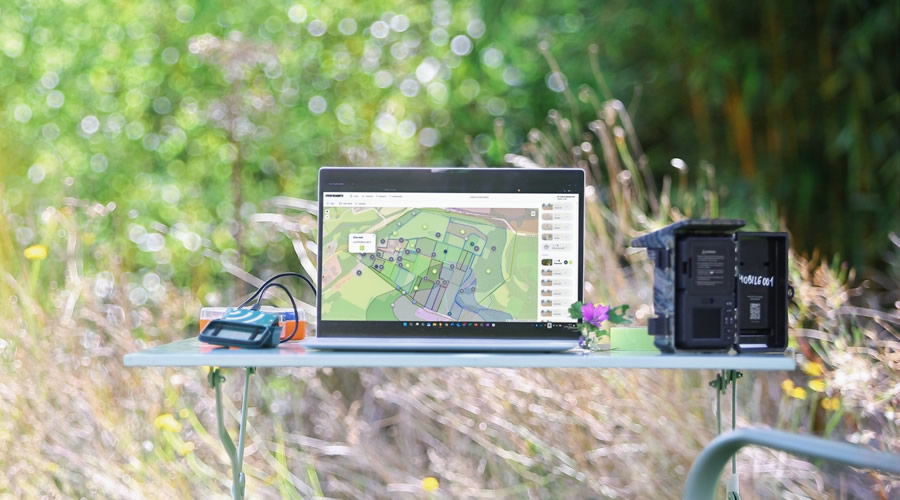
SEE AND MEASURE BIODIVERSITY TO SUPPORT THE ECOLOGICAL TRANSITION
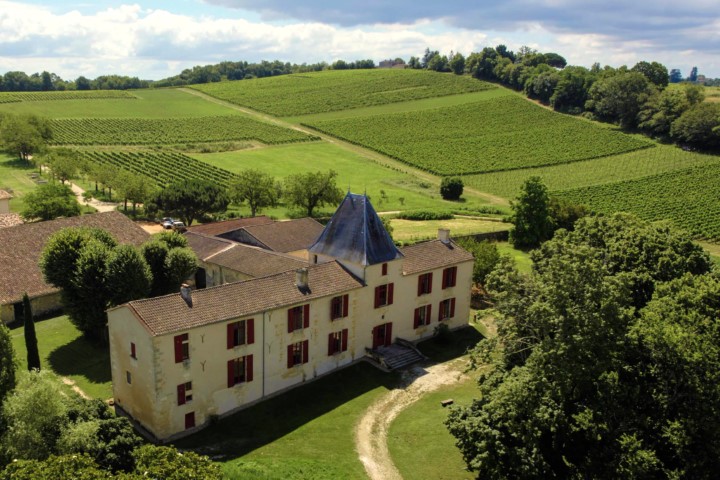
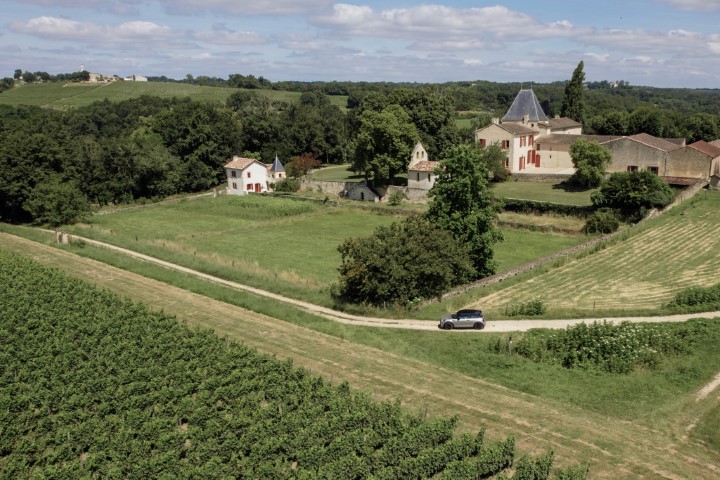
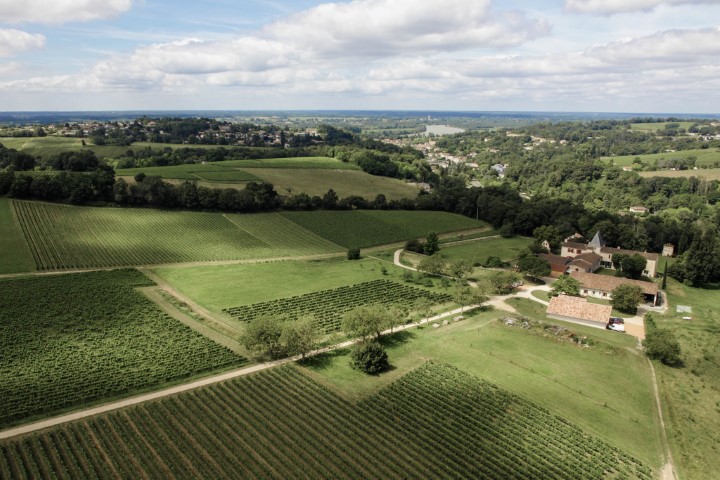
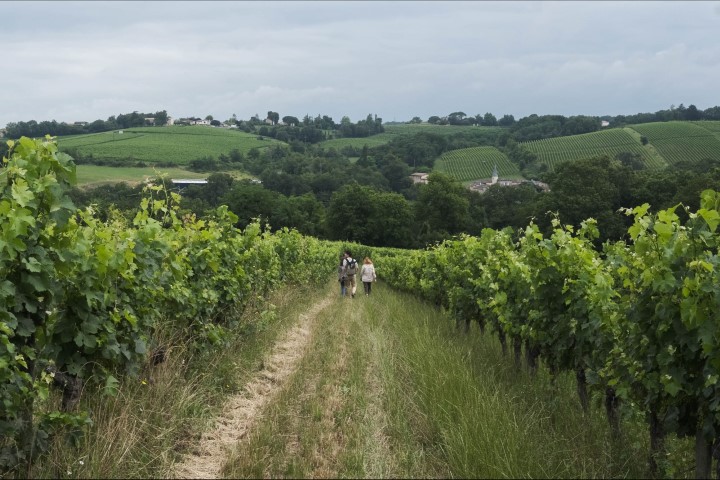
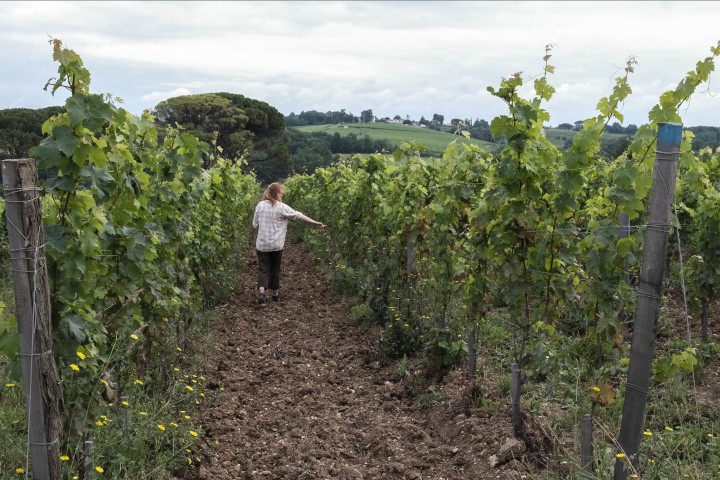
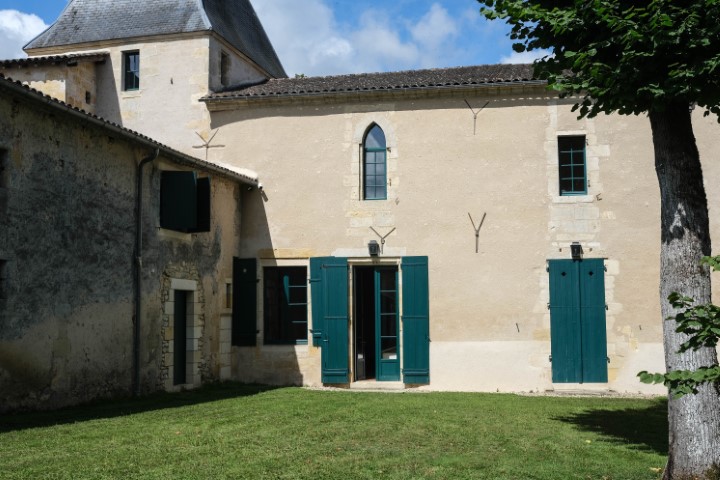
Château La Peyruche, located at Langoiran in Côte de Bordeaux, is an 40 hectare family estate which produces white and red wine. The farm covers a total area of 40 hectares, including 25 hectares of vineyards. The estate covers a total area of 40 hectares, including 25 hectares of vineyards. Production has been certified organic since 2017.
This wine estate is undergoing a major ecological transition and is questioning its practices and their impact on biodiversity.
Since 2023, the Château La Peyruche team, in partnership with Every1Counts, has launched a biodiversity monitoring project on their estate to measure, track, and analyze biodiversity. The goal is to better understand the impact of viticultural practices on biodiversity. The estate, currently undergoing an agroecological transition, is modifying its practices and wants to ensure that these changes are beneficial to its ecosystem.
Farm challenges
Observe, measure, and analyze biodiversity on the vineyard to understand the impact of the vineyard’s viticultural practices on it:
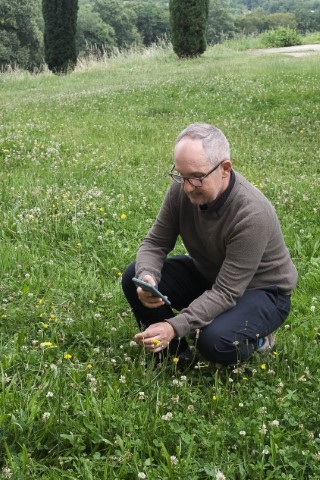
1. 🌱 SOILS: How can we assess soil health and biodiversity (microbiota) at different points on the vineyard? What is the impact of agricultural practices (cover crops, green manures) on this biodiversity?
2. 🦊 WILDLIFE: What wildlife frequents the vineyard (deer, wild boar, rodents, foxes, hares, etc.)? How do the infrastructure (fallow land, woods, hedgerows, etc.) influence this biodiversity?
3. 🦉 BIRDS: What birds live on the vineyard and what do they reveal about the state of biodiversity? How do agricultural practices (habitat creation, habitat management) impact them?
4. 🦇 BATS: Which bat species use the vineyard as a habitat or hunting ground? How can we encourage their movement and presence (by providing shelters, corridors, and markers)?
5. 📊 BIODIVERSITY INDICATORS: What is the overall state of biodiversity in the area? How does it compare to other ecosystems or comparable areas?
Assistance / Boost program
Château La Peyruche and the company. Every1counts did not benefit from any program to implement this project.
Innovative features of the initiative / solution
For this project, Château La Peyruche used the B1OATLAS platform developed by Every1Counts, a digital platform based on data science. Operating on a secure and interoperable cloud infrastructure, this platform aggregates a large volume of environmental data from various sources:
- Open data from recognized sources (GBIF, BRGM, MeteoFrance, Copernicus, INPN, etc).
- Data from sensors and analyses.
- Data specific to the estate regarding its land parcels, practices, and biodiversity inventories.
The platform offers functionalities for data storage, cleaning, AI labeling, and provides visualization, dashboard, analysis, and indicator generation tools.
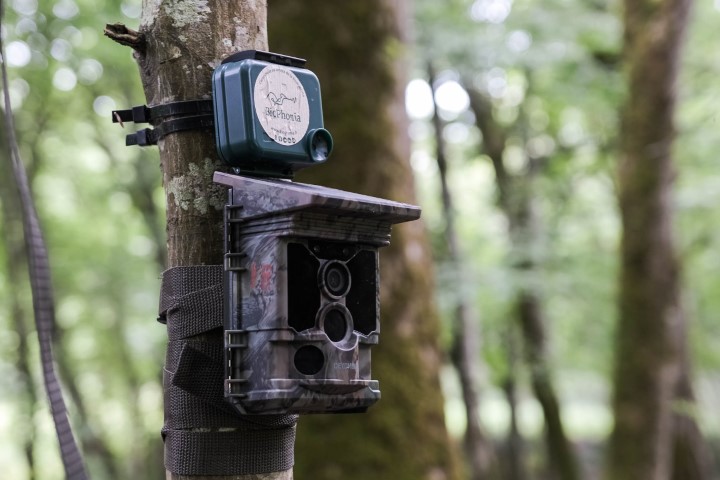
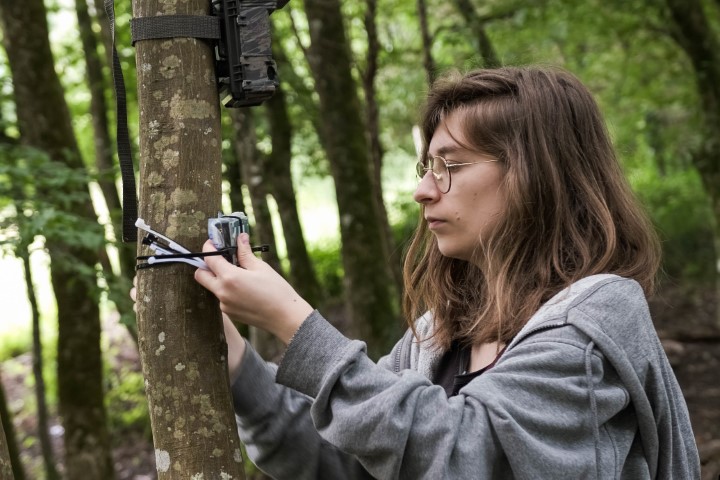
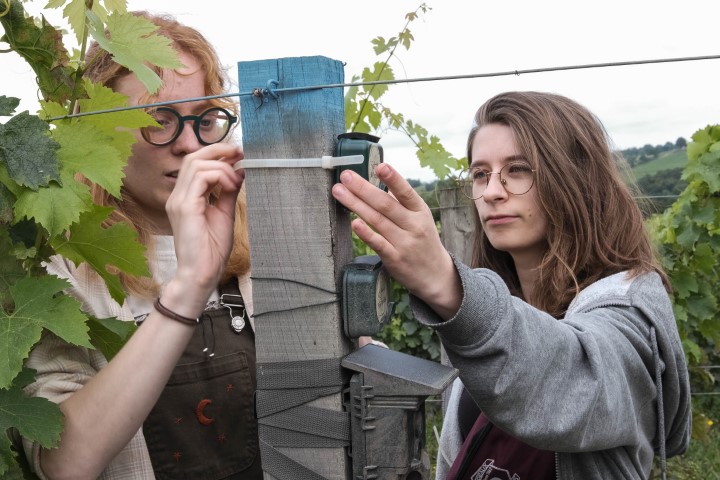
To continuously and non-invasively monitor biodiversity, Château La Peyruche equipped itself with cameras, audio recorders, and ultrasound devices, which it positioned in strategic locations. Soil analyses were conducted using various techniques (eDNA and flow cytometry) to assess the biological health of the soils.
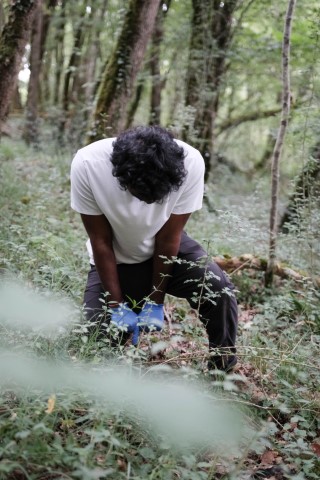
All collected videos, images, sounds, reports, and data were uploaded to the platform. Species recognition algorithms (using images, sounds, and ultrasound) automate data processing and inventory.
All this data is categorized by species and is permanently available to the operator on the platform. The platform enables the production of scientifically validated ecological indicators (Shannon, Simpson, species richness, etc.) using a clinical approach, in partnership with public laboratories.
The platform provides a set of dashboards and species reports that have allowed Château La Peyruche to assess the health of its ecosystem, compare itself to others, enrich its reporting (CSR, certification, clients and distributors, etc.), and, above all, qualify the impact of its viticultural and agroecological practices in order to guide strategic decisions for the future of the estate.
Results obtanied
The results presented below come from 12 months of field data collection, open-source data, and sensor data :
8 bioacoustic sensors were positioned on the vineyard, along with 15 surveillance cameras for large animals and 4 for small animals.
- Number of media items: 81 953
- Number of videos/images: 4 623
- Number of audio recordings: 66 318
- Number of open data items: 11 012
- Number of recorded field practices: 35
- Number of reported one-off practices: 44
- Number of soil microbiology data items: 8
- Number of physicochemical analyses performed: 8
- Number of eDNA analyses performed: 500
1.🌱 SOILS: Excellent biodiversity, comparable to that of fallow land. Only one area, slightly less rich, is undergoing adjustments to its cover crops.
2. 🦊 WILDLIFE: High overall biodiversity across the entire estate, equivalent to that of a European natural grassland.
3. 🦉 BIRDS: 120 bird species have been recorded, distributed evenly across the estate. The impact of agroecological infrastructure has been measured on 50 species.
4. 🦇 BATS: 16 bat species have been identified, with a balanced distribution. The influence of the landscape and infrastructure has been confirmed for the majority of them.
5. 📊 BIODIVERSITY INDICATORS: The data collected are sufficiently robust to allow detailed analysis by species, to assess the influence of the landscape (hedges, forests, meadows…) and to produce global biodiversity indicators.
Lessons learned
Key Lessons Learned
The deployment of the biodiversity monitoring solution at Château La Peyruche provided valuable insights into how such systems can be effectively implemented and integrated into vineyard management. These lessons are transferable to other agricultural estates seeking to measure, understand, and enhance biodiversity.
1. Co-design with the farm team is essential
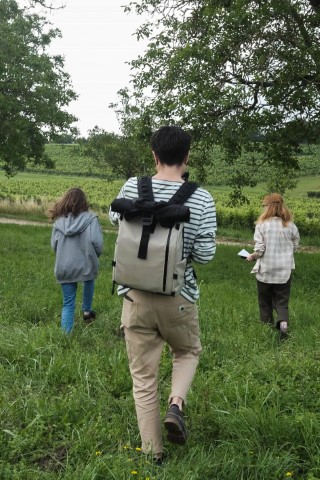
Early and continuous involvement of the estate manager and technical teams is critical. Local field knowledge ensures relevant sensor placement, accurate data interpretation, and strong alignment between biodiversity objectives and farming practices.
2. Sensor placement is more important than sensor quantity
Data quality depends primarily on strategic positioning (edges, hedgerows, habitat interfaces) rather than the number of sensors deployed. A limited number of well-placed sensors can generate robust and stable results.
3. Biodiversity monitoring requires time
Meaningful biodiversity indicators emerge only after several months of continuous monitoring. Around six months are needed to obtain stable indicators, while twelve months are required to assess the impact of practices and agroecological infrastructures.
4. Agricultural practices must be documented
Accurate and regular recording of farming operations—both routine and one-off—is essential to interpret biodiversity data correctly and to link ecological trends to management decisions.
5. Visual data accelerates understanding and adoption
Images and videos from camera traps play a key role in engaging stakeholders. Visual outputs make biodiversity tangible and facilitate appropriation of results, particularly by on-site technical teams.
6. Agroecological infrastructures deliver measurable benefits
Hedgerows, grasslands, woodlands, and uncultivated areas show clear positive impacts on multiple species groups. These landscape elements should be considered functional components of vineyard performance.
7. No two estates are alike
Each site has unique ecological, agronomic, and organizational characteristics. Biodiversity monitoring solutions must remain flexible and adaptable to local contexts.
8. Data must lead to action
The true value of biodiversity monitoring lies in translating indicators into clear, actionable recommendations that support decision-making and continuous improvement of farming practices.
Attachments
Gallery
Video
Contact
- Website: https://www.every1counts.life/

